How Culturally Tailored Programs Are Improving the Care of Hispanic/Latino People with Serious Illness
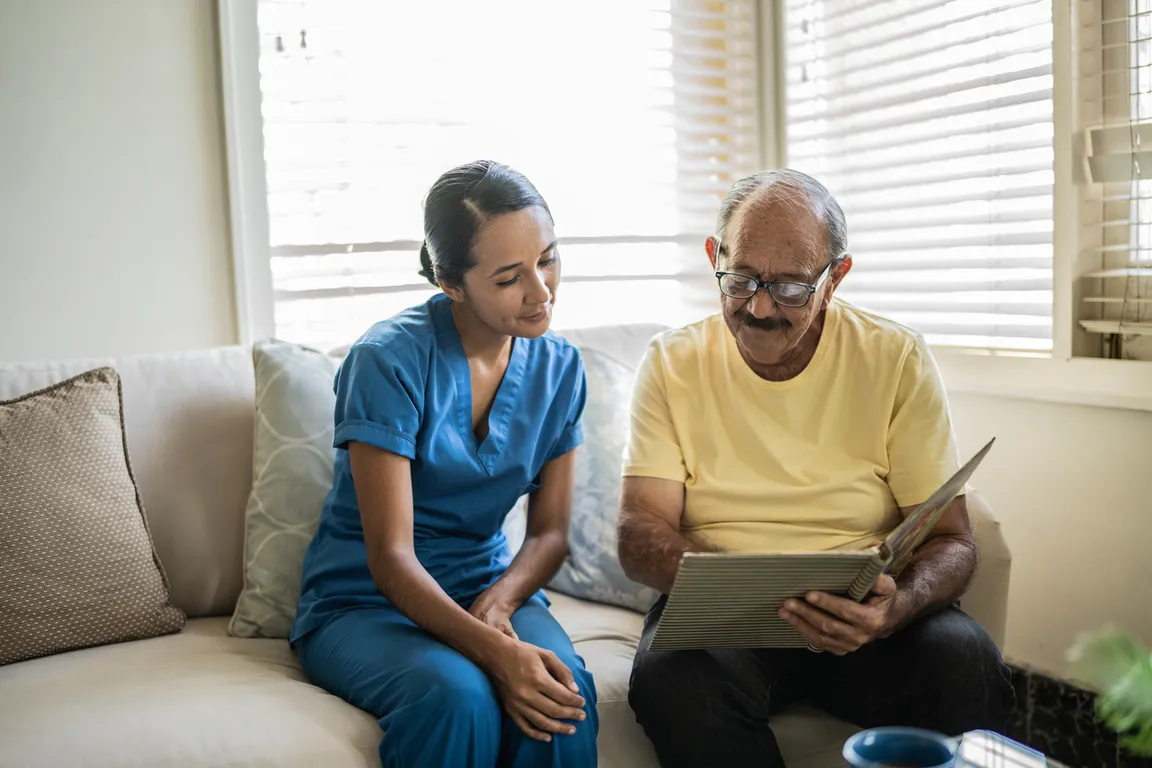
For Hispanic/Latino patients living with serious illness, and their caregivers, high-quality palliative care is not always as easily accessible as it should be.
As part of CAPC’s Project Equity initiative, we conducted a comprehensive literature review to better understand the health care experiences of Hispanic/Latino patients with serious illness and their families. We learned that when compared with White patients, Hispanic/Latino patients often experience poorer pain and symptom management, greater financial hardship, and higher caregiver burden. Follow-up focus groups and interviews with patients and caregivers confirmed many of these challenges.
"We learned that when compared with White patients, Hispanic/Latino patients often experience poorer pain and symptom management, greater financial hardship, and higher caregiver burden."
Our next step was to identify interventions designed to reduce disparities for Hispanic/Latino patients and/or caregivers, to understand what’s working to improve care quality for this population. In this blog, we’ll discuss the interventions that we found and highlight the elements that helped make them successful in practice.
A Snapshot of the Interventions
Through literature review, we identified seventy interventions focused on improving the care experience of Hispanic/Latino patients living with serious illness. We also utilized the expertise of a committee of Hispanic/Latino leaders—with expertise in clinical care, community engagement, patient advocacy, as well as their own lived experiences—to help guide our process, specifically assessing which of the interventions might be replicated in other communities.
The interventions represented a wide range of settings, populations, and approaches:
- Implemented across all U.S. regions, with the largest proportion (41%) in the West
- Nearly half (40%) were focused on people with cancer or their caregivers
- Implemented in various settings, including virtually (44%), patients’ homes (41%), and outpatient offices or clinics (37%)
- Eight were designed specifically for pediatric patients and their caregivers
Several common themes also emerged:
- Half (50%) of the interventions used culturally tailored educational or outreach materials
- Nearly half (44%) focused on providing psychosocial support (e.g. emotional, mental, social, and spiritual needs)
- Less than half (37%) had bilingual staff or medical interpreters
Common Goals Across Interventions
Though there were many disparities that the interventions aimed to address, five goals appeared most frequently.
1. Expanding Knowledge and Use of Palliative Care Services
We identified fourteen interventions developed in service of finding more effective ways to increase awareness, understanding, and use of palliative care and hospice services among Hispanic/Latino communities. They considered both the historical and current barriers that exist (e.g., language differences, limited knowledge of palliative care as a specialty, low health literacy, cultural misconceptions, and difficulty navigating the health care system at large).
Many relied on bilingual navigators, community health workers (CHWs), nurses, chaplains, or others who could explain palliative care concepts in ways that resonated with Hispanic/Latino patients and their families. Several recognized the importance of family involvement, spirituality, and religious beliefs in decision-making. Educational tools such as videos in Spanish, counseling programs, and community outreach efforts helped make information more accessible and less intimidating for patients who might otherwise be hesitant to engage with palliative care services. Some interventions trained community members to serve as ambassadors for palliative care, while others established dedicated Spanish-speaking palliative care teams.
2. Reducing Caregiver Burden
Twenty-one interventions focused on helping caregivers manage the day-to-day challenges that come with caring for a loved one with a disability or a serious illness like dementia or cancer. These programs delivered support via peer groups, telehealth sessions, educational workshops, and culturally tailored telenovelas—focusing on reducing stress, anxiety, depression, and caregiver burnout.
Since many caregivers find themselves navigating unfamiliar medical systems, managing complex symptoms, and making difficult decisions without much prior discussion, the interventions provided education, skill-building, and hands-on support for people caring for family members with dementia, Parkinson’s disease, cancer, kidney disease, and more.
"These [caregiver] programs delivered support via peer groups, telehealth sessions, educational workshops, and culturally tailored telenovelas."
3. Optimizing Symptom Management
Eighteen interventions primarily focused on reducing disparities in symptom management among Hispanic/Latino populations living with various serious illnesses and injuries, including cancer, dementia, COPD, and traumatic brain injuries.
Researchers and clinical teams tested a wide range of approaches, including patient navigation, telehealth programs, mobile health apps, support groups, and culturally tailored educational materials. Many of the interventions provided education and coaching around pain management, fatigue, respiratory symptoms, anxiety, depression, and behavioral symptoms associated with dementia.
Programs such as Nuevo Amanecer taught self-management strategies such as relaxation techniques, mindfulness, breathing exercises, goal setting, self-monitoring, and other coping skills. Many of the programs were delivered by bilingual providers, CHWs, or cancer survivors who share participants’ cultural and linguistic backgrounds.
4. Increasing Patient Engagement and Self-Management Support
Another common theme was helping patients and families gain the knowledge, skills, and confidence needed to actively manage their health conditions and stay engaged with recommended treatments. Care teams used a variety of approaches, including motivational interviewing, text messaging programs, virtual rehabilitation, and culturally tailored digital tools.
Many programs paired education with practical self-management skills, such as symptom monitoring, healthy eating, exercise, coping strategies, and effective communication with health care providers. Interventions like TelePR empower patients to become active participants in their care, rather than passive recipients of treatment.
"Interventions like TelePR empower patients to become active participants in their care, rather than passive recipients of treatment."
5. Building Cancer Survivorship Skills
There were multiple programs focused on helping Hispanic/Latino cancer survivors build the knowledge, confidence, and practical skills needed to navigate life after curative treatment. Many addressed physical and emotional aspects of survivorship, including fatigue, pain, nutrition, exercise, spiritual well-being, and overall quality of life. Some programs used telephone-based cognitive behavioral therapy, and survivorship education calls to teach survivors how best to manage stress, improve communication with care teams, and navigate common post-treatment concerns.
Interventions such as the partnership between Jacob's Heart Children's Cancer Support Services and Stanford University School of Medicine demonstrate the importance of increasing access to resources, social support, and health care services for Hispanic/Latino cancer survivors and their families. To truly support long-term well-being, programs should help them build the knowledge, confidence, and support networks needed to navigate life after treatment and thrive—physically, emotionally, socially, and financially.
Moving Toward More Equitable Care
Improving health outcomes in Hispanic/Latino communities requires meeting people where they are culturally, linguistically, and socially by building trust, reducing barriers, and empowering patients and families with knowledge and support.
Many of the interventions that we learned about address challenges beyond medical care, such as financial strain, limited resources, and social isolation. Together, these approaches provide a roadmap and provide valuable examples of how community-centered, culturally tailored approaches can move us closer to achieving high-quality care for all.
For more in-depth information about the interventions, we encourage you to explore CAPC’s Health Equity in Action. For those interventions not included in this curated collection, we encourage you to review CAPC’s Hispanic Intervention Catalog.
"Improving health outcomes in Hispanic/Latino communities requires meeting people where they are culturally, linguistically, and socially."
Additional CAPC Resources
- Language, Culture, and Trust: Addressing Gaps in Palliative Care for Hispanic Patients, a blog addressing how Hispanic patients with serious illness face barriers to accessing high-quality palliative care, and how health care organizations, palliative care teams, and clinicians can drive meaningful change.
- Enhancing Care for Diverse Communities: The Role of Community Health Workers, a blog exploring the expansive role of the CHW who helps to bring more culturally responsive care to the health care team
- Exploring the Perspectives of Oncology Hispanic Population at End-of-Life in an Inpatient Hospital Setting, a poster presented during the CAPC National Seminar 2019
Acknowledgements
Thank you to the following people who contributed their expertise and lived experiences to inform the development of this blog:
- CAPC’s Hispanic/Latino portfolio steering committee members: Carine Davila, MD, MPH; Giselle Lopez-Ingram; Edward Peñate, DMin, BCC; Elena Prendergast, DNP, APRN, FNP-C, ACHPN; and Carlos Alexis Turcios, MA
- Patients from focus groups provided by the Patient Insight Institute, who provided their lived experiences regarding current barriers to high-quality care.

Be the first to read articles from the field (and beyond), access new resources, and register for upcoming events.
SubscribeEdited by Melissa Baron. Reviewed by Brynn Bowman, MPA.