A Telenovela-Based Education Intervention to Support Latino Family Caregivers
Overview
Latino family caregivers play a central role in providing care for loved ones diagnosed with a serious illness and especially at end-of-life (EOL), often taking on extensive caregiving responsibilities with limited use of formal health services and supports. Cultural values such as familismo (family-centered care) and beliefs around caregiving responsibility can contribute to increased caregiver burden, reduced engagement with supportive services, and greater use of high-intensity medical care at the end- of- life.
To respond to these challenges, researchers developed “Caregivers Like Me”, a bilingual educational intervention designed to improve knowledge, awareness, and attitudes towards palliative and hospice care among Latino family caregivers. The intervention uses a culturally familiar storytelling format–a telenovela (or video soap opera)–to present real-life caregiving scenarios, followed by guided discussion and education on caregiver stress, available services and end-of-life care options.
The development of this intervention was grounded in needs assessment, focus groups, and direct observation of caregiver experiences, which highlighted a strong desire for accessible, culturally relevant education. As described by the project lead, Dr. Dulce M. Cruz-Oliver (MD):
“How can we make this information available to [Hispanic caregivers] and easy to understand?”
Rather than relying on traditional educational approaches alone, the program uses storytelling to help caregivers see their own experiences reflected in the guidance.
The intervention includes:
- A bilingual (Spanish/English) video telenovela with caregiving scenarios
- Facilitated discussion and reflection
- Education on caregiver stress and symptom recognition
- Information on available support services (e.g., palliative care, respite care, home care and hospice)
This approach emphasizes cultural relevance, health literacy, and emotional connection as key components of caregiver education.
Impact/Data Outcomes
The intervention was evaluated through a multisite pilot study of nonprofessional Latino caregivers (N=145), with outcomes focused on knowledge, attitudes, and caregiver experience.
Key areas assessed included:
- Caregiver knowledge of EOL care and available services
- Attitudes towards hospice and palliative care
- Self-awareness and caregiver stress
- Willingness to accept professional support
- Participant satisfaction with the intervention
Findings from the study demonstrate meaningful improvements in caregiver engagement and understanding:
- Participants reported active learning and high satisfaction with the educational experience
- Willingness to accept professional help increased significantly following the intervention
- Caregiver stress self-awareness improved significantly from pre-to posttest intervention
- Participants demonstrated increased understanding of available services and care options
Dr. Cruz-Oliver reports that subsequent research on the impact of the telenovela intervention found:
- Improvements in caregiver preparedness (10 participants), self-efficacy, and reduced anxiety (59 participants).
- Greater benefit among caregivers with less prior experience
- Increased confidence when education is delivered through multiple sessions or repeated exposure
Key Insights and Implications for Practice
| Key Insight | Implications for Practice |
|---|---|
| Caregivers often rely solely on family support | Introduce supportive services as complementary, not replacement care |
| Cultural values shape attitudes towards EOL care | Frame education within family-centered decision-making |
| Traditional educational formats may not engage caregivers | Use storytelling and culturally familiar formats (e.g., telenovelas) |
| Caregiver stress is often unrecognized | Provide tools to identify and normalize caregiver burden |
| Trust and relatability influence learning | Incorporate narratives that reflect lived experiences |
Success was not defined by knowledge gain alone, but by shifts in caregiver attitudes, increased openness to support, and improved confidence in navigating serious illness and end-of-life care.
Feasibility
Implementation of “Caregivers Like Me” required:
- Bilingual educational materials
- A culturally relevant telenovela video:
- “Caregivers Like Me” (containing three episodes):
Video centers the caregiver protagonist, Margarita Rodriguez, the daughter of the patient with dementia, Don Sanchez.
- “To Care” (four episodes; available in Spanish and English): Video centers the caregiver protagonist, Marinela Coquí, the wife of the patient with cancer, Don Coquí.
- A facilitator for the guided discussion portion
- Pre-and post-intervention assessments (if using)
- Access to technology for video presentation
- A list of local caregiver support services and referral resources
The intervention could be delivered in group or individual settings, but group sessions were seen as especially valuable because they allowed participants to reflect together, ask questions, and discuss the caregiving situations shown in the video.
Barriers encountered included:
- Technology limitations, including unreliable internet or audiovisual issues
- Engaging caregivers who are already under significant emotional and time strain, particularly if the patient’s condition worsened quickly or near the end of the patient’s life
Scalability
Several features of the intervention support broader scalability:
- The educational content is video-based and can be shared across settings
- The intervention is bilingual and designed with cultural relevance in mind
- The format can be adopted for use by hospice agencies, clinicians, or community-based organizations
- The resources can be paired with facilitated discussion or used as part of a broader caregiver support program
However, scalability depends on:
- Whether an organization/team has staff time to introduce or discuss the videos
- Access to appropriate technology
- Local adaptation to reflect available services and community context
- Organizational willingness to incorporate caregiver education into routine workflows
Dr. Cruz-Oliver suggests that the videos may be most effective when they are actively introduced by a clinician or other trusted health professional, rather than offered passively as a stand-alone resource.
Sustainability
Development of the intervention (including telenovela) and evaluation were supported through multiple funding sources, including the National Cancer Institute, the National Institute in Aging, and institutional funding through Johns Hopkins University.
The intervention has strong sustainability potential due to its accessibility and adaptability. As noted by project leadership, the goal is for these resources to be readily available (website) to caregivers and organizations. The integration of these tools into routine visits, particularly when paired with a health care provider, may enhance long-term impact. For clinical teams that choose to host group sessions with caregivers to discuss the telenovela and answer questions, access to staff time and space and/or virtual meeting platform may require organizational approval or support.
Key Advice/Lessons Learned
- Use plain language and culturally familiar formats when discussing palliative care and end-of-life care
- Recognize that family caregivers may need support to understand that accepting help does not mean failing their loved one
- Assess caregiver burden early (the Zarit Burden Interview is a useful tool) and normalize conversations about stress and burnout
- Pair video-based education with a facilitator or health care professional when possible
- Adapt referral information about caregiver support resources to the local community and services available
- Use group-based education when feasible to encourage discussion and shared learning
- Involve caregivers and community members in the development and refinement of patient and caregiver education materials
- Test technology and presentation logistics before implementation
- Consider offering resources early in the caregiving journey, especially for newer caregivers
- Build interventions that are emotionally resonant as well as informationally useful
Project Team
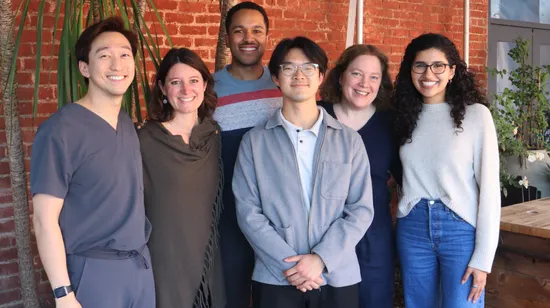
Dulce M. Cruz-Oliver, MD, FAAHPM, AGSF
Division of General Internal Medicine Department of Medicine
John Hopkins University
Kirsten Ellis
Research Team Member
Sandra Sanchez-Reilly, MD
Research Team Member
The project was informed by interdisciplinary collaboration and caregiver-centered design, including contributions from researchers, clinicians, and community feedback gathered through needs assessments and focus groups.