Beyond the Physical: How to Address Psycho-Spiritual Pain in Serious Illness
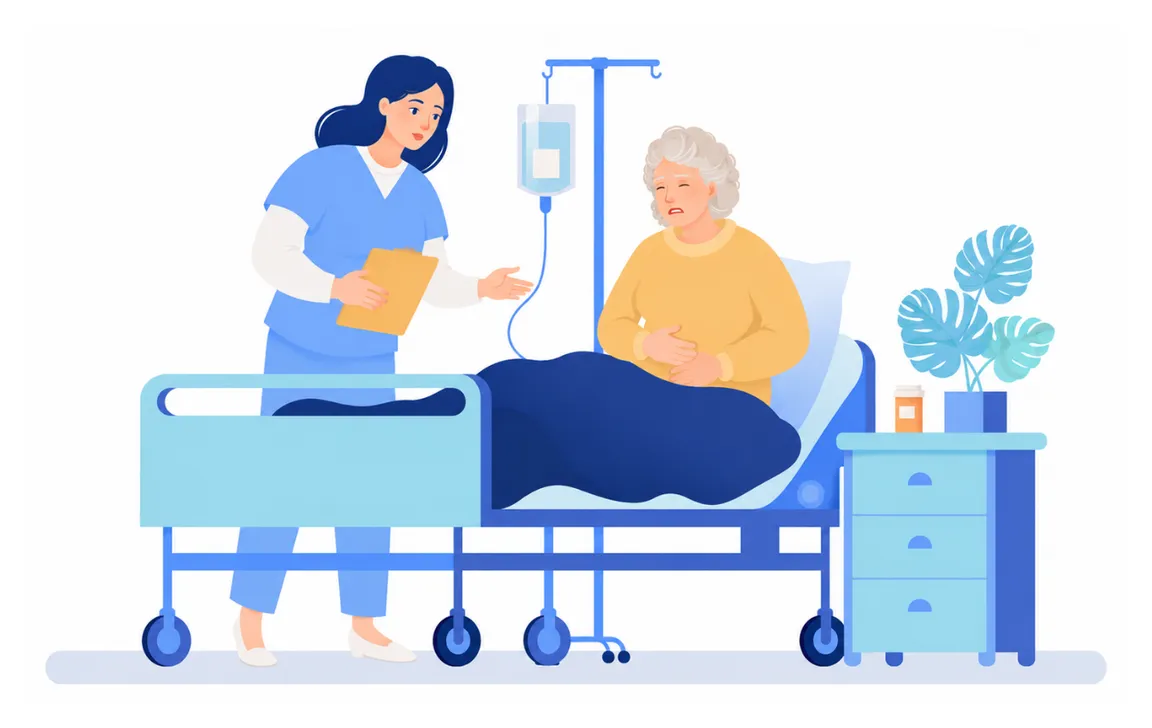
“I’m ‘paining’! I’m ‘paining’!” the elderly patient shrieked from her hospital bed. Her weary and desperate cries could be heard down the corridor. Her cries were her continued attempts to articulate her pain needs through her pain language or, her rural colloquialism. The patient was more than 100 miles from the small rural town she called home and she was struggling with a chronic illness. Her anger and frustration were righteous at this point.
The calm, steady physician at bedside replied that the patient had received her maintenance pain medication dosage along with her breakthrough pain dosage and could not receive another for two hours. The patient looked at the physician and said, “You don’t understand, there is a hurt deep inside me and that medicine you give me ain’t touched it yet!” The patient was in significant pain and discomfort without having achieved meaningful relief from her medications. This was her experience of suffering, as she would later describe it herself.
"You don't understand, there is a hurt deep inside me and that medicine you give me ain't touched it yet!"
What exactly was the “hurt deep inside” that was not resolved through her medications? Is it possible that the patient’s pain and suffering was more than just a physical experience? For many of our patients, the experience of existential suffering is a combination of physical pain, mental anguish, and spiritual distress.
In the years that I have served as a health care chaplain, I have learned that this combination of mental anguish and spiritual distress is psycho-spiritual pain. Psycho-spiritual pain is a form of pain that often extends beyond the reach of medications. Given the nonphysiological nature of psycho-spiritual pain, it can be confounding to the medical team who may be frustrated that their efforts have not achieved a resolution. Standard medical education often provides limited training in recognizing and addressing psycho-spiritual pain, leaving many clinicians uncertain about how to assess it or respond effectively. So, what should a clinician do?
"Psycho-spiritual pain is a form of pain that often extends beyond the reach of medications."
More on Psycho-Spiritual Pain
Psycho-spiritual pain begins when an illness disconnects the mind from the triune self—the mind, body, and spirit connection.
Prior to the illness, the patient may have been thriving physically, mentally, and spiritually. But when a serious illness “comes out of nowhere,” they begin a systemic disconnection from the meaning-centered life they previously knew. The spirit that was previously informing the self becomes incapable of performing in the same way, and this disruption unfolds in devastating ways for the individual. Serious illness drastically changes the pattern of the individual’s life fabric. The life that was once “comfortable and beautiful” has now become “ragged and miserable.” The illness sphere is largely unfamiliar and is first met with astonishment from patients (“How could this have happened to me?”). This astonishment is especially true for patients who have lived “healthy lives” and have always “done the right things”.
As the illness progresses, it moves into unfamiliar states of being that further the disconnection of the patient from the self they’d known before and increases the experience of meaninglessness and psycho-spiritual pain. An existential battle ensues, with patients trying to find meaning in the former places that gave them purpose and control, which aligned with the patient’s beliefs formed from their known world. The communities that surround the patient (family, friends, and faith) may experience the disconnection as well. The losses then begin to compound for the patient.
There may be profound physical changes, such as the inability to complete daily activities that were previously mindless, coupled with appearance changes, which further distress the individual. This leads the patient to question, “Who am I now?” The patient experiences a “loss of self” from the compounded losses.
This becomes the reality of psycho-spiritual pain to the patient, and it is frequently transferred or projected onto the clinician through the patient’s behavior. This may include anxiety, grief, non-compliance (potentially due to anhedonia), and disruptions in treatment. This may lead to moral distress within the clinician; the clinician then needs to be very intentional about attending to this through debriefing with colleagues or incorporating different standards of care when this presents clinically (referring to a chaplain, psychosocial support, etc.).
How to Assess Psycho-Spiritual Pain
Often the clinical presentation of patients’ psycho-spiritual pain will present in various scenarios, with the patient feeling as if God has abandoned them (“Where is God? I keep praying and God isn’t answering,”), struggling with the meaning of the illness (“What is the point of all this?”), and anticipatory grief for themselves or their loved ones (“What about my dreams and plans? What will happen to my family after I am gone?”). Notably, those with the strongest faith may experience the deepest psycho-spiritual distress when that faith is shaken.
"Those with the strongest faith may experience the deepest psycho-spiritual distress when that faith is shaken."
As a clinician, you can use the NCCN Distress Thermometer, an assessment tool used to determine whether your patient is experiencing overall distress. While developed for cancer, it can be utilized for all patients with serious illness. Any score above 4 indicates clinically significant distress and should raise suspicion for psycho-spiritual distress, prompting deeper assessment and conversation regarding the source of distress. Collaboration with chaplaincy, social work, and psychology, when available, can help clarify and address underlying psycho-spiritual concerns.
How Clinicians Can Respond to Psycho-Spiritual Pain
In the moment, how can clinicians effectively respond to the clinical presentation of psycho-spiritual distress in patients? I find that the best response is through the acronym I created, PEACE, or Presence, Encouragement, Acceptance, Communication and Empowerment.
Presence
When clinicians give their very presence to patients, it shows the patient that the medical team is walking with them on this journey—they don’t have to face it alone. As a clinician, ask yourself if you are willing to show up emotionally and be physically present to what your patient is experiencing.
Encouragement
Encouragement is often the flint that ignites hope to move forward through the illness trajectory. When clinicians offer a word of encouragement to patients, a powerful connection is made.
Acceptance
As clinicians, we can help our patients accept the reality of their illness, the need to not have control over everything anymore and how they are changing through the illness.
Communication
Through communication, we are constantly inviting dialogue with our patients about their distress and experiences. We want our patients to know that it is okay to not be okay.
Empowerment
Finally, through empowerment, we re-orient our patients back to sources of inner strength whether through their faith or through their previous lived experiences that can inform the life event.
In Closing
Many of our patients with serious and chronic illness will experience psycho-spiritual pain, but they don’t have to suffer in silence or be alone. It's important for clinicians to remember that pain isn’t just physical; it often goes much deeper. With the PEACE acronym as a resource, you can meet patients in the moment, while your interprofessional team—specifically chaplains, social workers, and psychologists (if you have access to them)—can help sustain that care over time. What patients need most, above all, is the assurance that they are not on this journey alone.
"What patients need most, above all, is the assurance that they are not on this journey alone."

Be the first to read articles from the field (and beyond), access new resources, and register for upcoming events.
Subscribe