Virtual Office Hours
The Role of the Nurse on the Palliative Care Team
Presented By

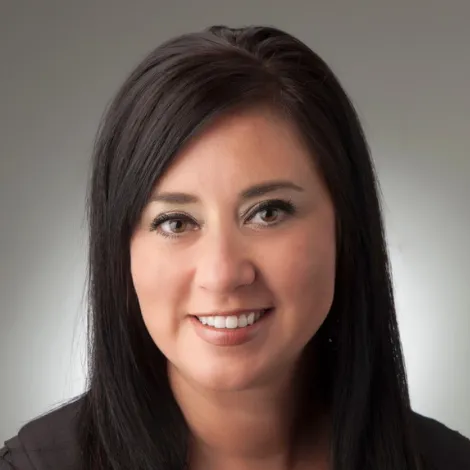
Dr. Jeanna Ford is a Clinical Nurse Specialist in the field of palliative care and hospice. Dr. Ford has a Bachelor of Science in Biological Sciences, a Bachelor of Science in Nursing, a Master of Science in Nursing, and a Doctor of Nursing Practice. She is double board certified as a Clinical Nurse Specialist in Adult Health and as an Advanced Certified Hospice & Palliative Care Nurse. Dr. Ford also holds the prestigious titles of a Fellow in Palliative Nursing Care as well as a Fellow of Clinical Nurse Specialists.
She has served as a bedside nurse, advance practice nurse, and clinical leader in the specialties of intensive care, oncology, palliative care, hospice and has been instrumental in the startup of several palliative programs. When the COVID-19 pandemic began Dr. Ford served as a frontline clinician caring for indigenous people at the end of life.
Dr. Ford is a national speaker, published author, and focuses her clinical expertise in the areas of palliative care, symptom management, and cultural sensitivity at the end of life with an emphasis on indigenous populations. She works as an APRN for the University of New Mexico Hospital’s palliative pare program as well as serves as adjunct faculty for the University of Oklahoma’s college of nursing graduate school.
I began my career as an RN in the ICU at an academic medical center, where I worked across multiple critical care settings. Over time, I began to feel a growing discomfort that we were often doing things to people rather than for them. A nursing professor once told me that when nurses feel burned out, it is time to change roles, because patients will feel it too. That advice stayed with me. I made a complete pivot from the ICU to hospice care and immediately felt reconnected to why I became a nurse. I worked as a hospice case manager and later as a hospice director. While there, I attended a national conference and learned about the emerging specialty of palliative care. It felt like a natural intersection of everything I valued and why I became a nurse. That experience led me to pursue advanced practice training and return to my academic home to help build a palliative care consult service.
When I first entered palliative care, my focus was primarily clinical, including symptom management, communication, and caring for patients with serious illness across settings. Over time, my work expanded beyond individual patient encounters to include program development, leadership, and education. I became increasingly interested in how health care systems either support or unintentionally undermine high-quality palliative care. As my practice evolved, my professional focus deepened around culturally congruent care, particularly for Indigenous patients and families, informed by both my clinical experience and lived perspective. Today, my work centers on building sustainable outpatient palliative care models, mentoring clinicians, and advancing equity-focused approaches that improve care across entire systems.
One of the most meaningful experiences that shaped me as a provider was serving on the front lines during the COVID-19 pandemic as a palliative care clinician and inpatient medical director. During that time, I supported patients and families through urgent goals of care conversations, end-of-life decision-making, and complex pain and symptom management. I cared for a disproportionate number of Indigenous patients who were dying, often in settings marked by fear, isolation, and uncertainty, isolated from their families. Providing culturally safe, compassionate palliative care during this period required presence, clarity, and deep respect for patients' values and traditions. While the experience was profoundly challenging and changed my lens on healthcare, it remains one of the greatest honors of my career and solidified my commitment to palliative care grounded in equity, dignity, and humanity.
One challenge I am actively working to address is expanding equitable access to outpatient palliative care across New Mexico, a resource-poor state where many patients face geographic, cultural, and systemic barriers to care. This includes supporting patients in rural areas, pueblos, and reservations, where access to specialty services is often limited. In addition, I work closely with patients and clinicians to provide education about medical aid in dying, which is legal in New Mexico, and to ensure it is understood as one possible option within serious illness care. Much of my daily work involves helping patients navigate symptoms, clarify goals, and access all available supports in ways that are culturally safe and aligned with their values. My focus is on ensuring patients understand their options and are supported with dignity, respect, and clarity, regardless of setting or circumstance.
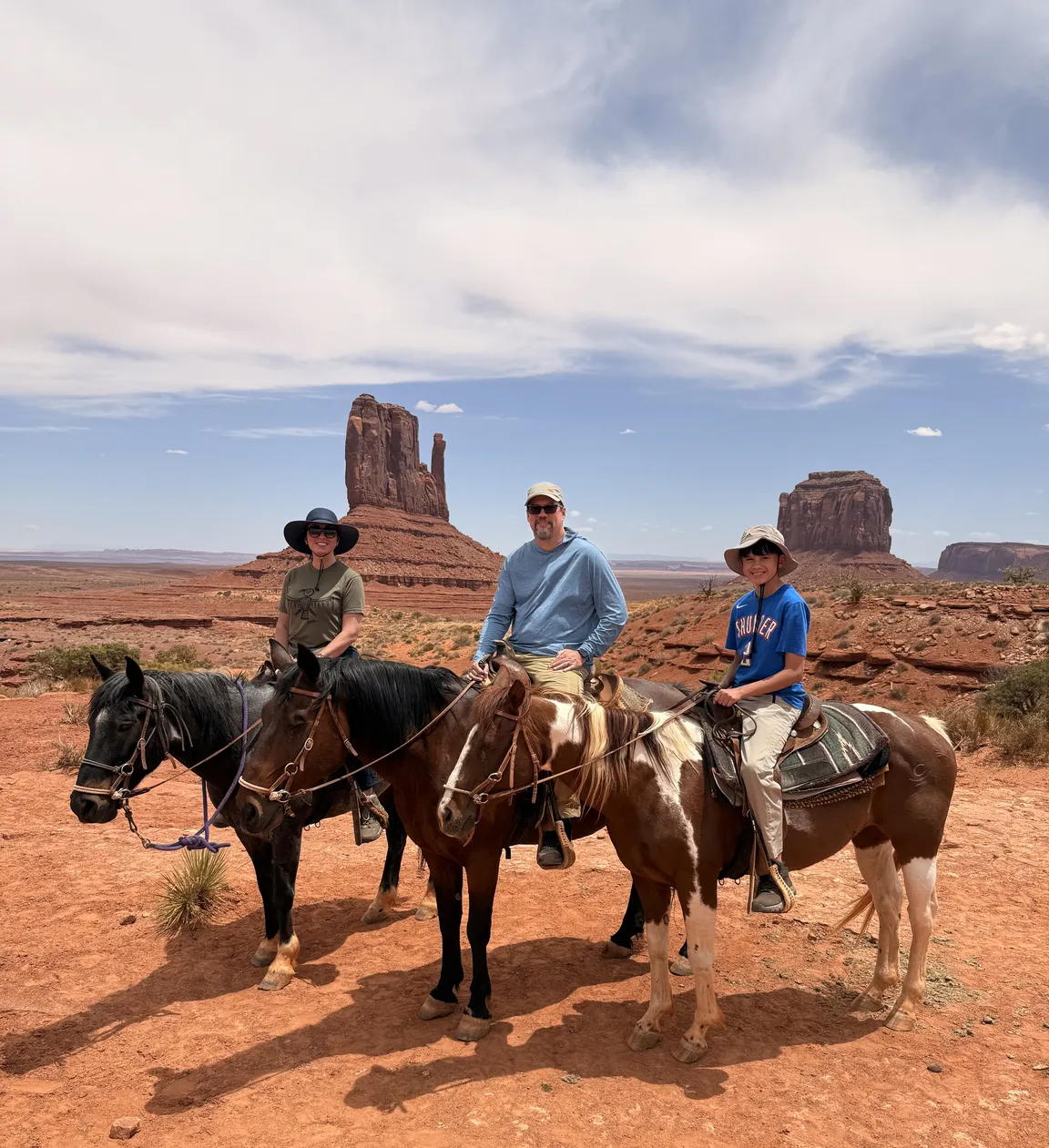
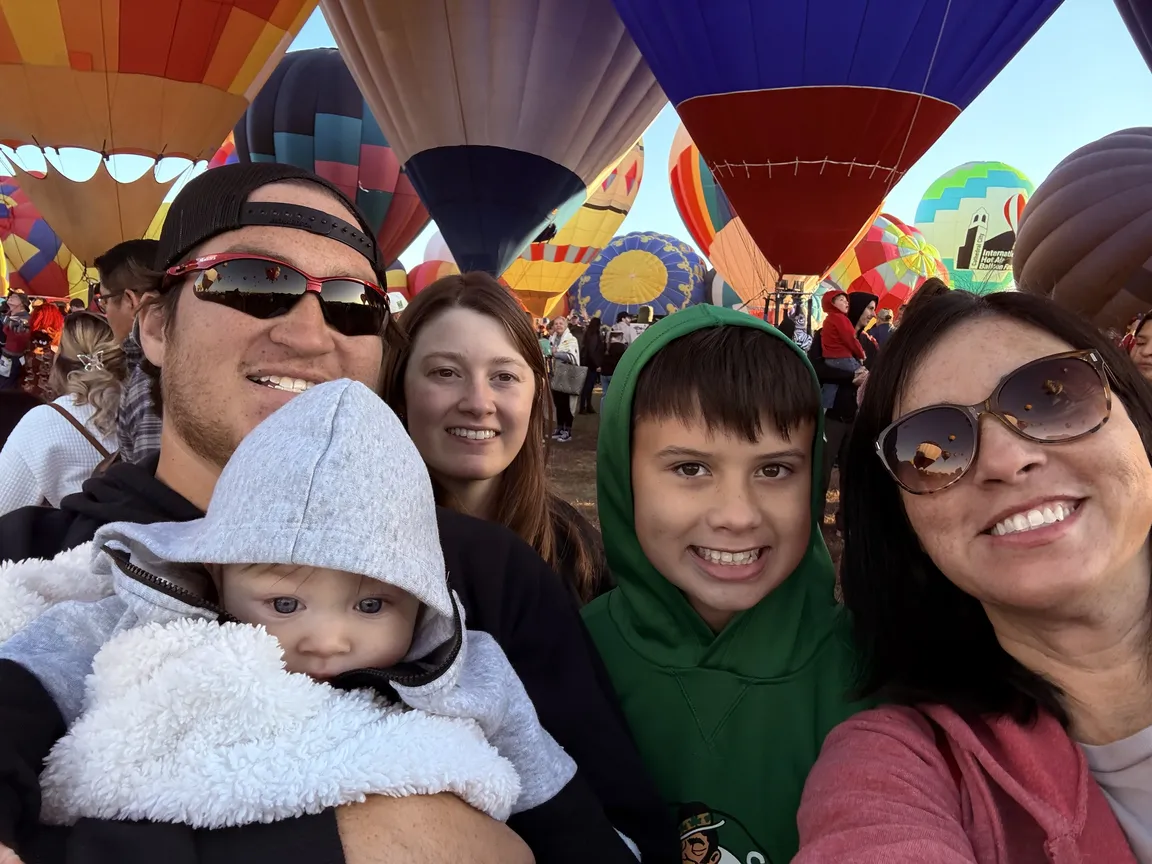
Outside of work, I spend my time with my family, including my husband, our three sons, and daughter-in-law, a grandson, and our three half-wit dogs who keep life interesting. I love reading, especially Stephen King, and I enjoy watching my son play basketball. As a family, we like to head into the mountains, particularly in our Jeep, exploring back roads and off-roading whenever we can. Time outdoors and shared experiences help keep me grounded and present.
A nurse leader shares important sentiments from palliative care RNs, and then offers four ways RNs can advocate for themselves in their careers.