Peer-Delivered Stress Management for Latina Women with Breast Cancer (Nuevo Amanecer)
Overview
Latina women living with and beyond breast cancer often experience disparities in survivorship care, including limited access to culturally and linguistically appropriate support services, lower participation in cancer support programs, and higher levels of emotional distress compared with White patients.
The Nuevo Amanecer (New Dawn or NA) program was designed to provide culturally tailored stress management and emotional support for newly diagnosed Spanish-speaking Latina women with breast cancer living in urban communities.
Key Program Components:
- Delivered individually in participants' homes by trained Latina breast cancer survivor peer educators ("compañeras")
- Eight weekly 90-minute sessions
- Focused on information about breast cancer and its treatments, coping skills, mood regulation, communication, and goal setting
- Educational materials designed for varying health literacy levels using simple language, visuals, and interactive activities
- Developed and implemented through a participatory research approach with five community-based organizations
Women who participated in the program experienced greater improvements related to physical and emotional well-being, reduced breast cancer–related concerns, better overall quality of life, and lower levels of depression and somatization.
Rural Adaptation: Nuevo Amanecer-II
Building on the success of the original program, Nuevo Amanecer-II (NA-II) was developed to improve psychosocial well-being and survivorship support for Spanish-speaking Latina breast cancer survivors living in three rural California communities, where access to survivorship and supportive care is often more limited.
The program was expanded from eight to ten weeks based on recommendations from community partners to better address long-term survivorship needs. Two additional sessions were added to address long-term survivorship, healthy lifestyle behaviors, and management of chronic conditions that commonly co-occur with cancer, while maintaining the program’s core stress management components. These adaptations ensured the curriculum reflected participants' priorities and remained culturally relevant.
Key Program Components:
- Delivered by trained Latina breast cancer survivor peer educators ("compañeras") in individual or group community settings
- Ten weekly 90-minute sessions
- Focused on cognitive behavioral stress management, relaxation techniques, coping strategies, goal setting, and survivorship education
- Expanded the curriculum to address survivorship, self-care, and long-term health management while incorporating audiovisual materials to support learning
- Developed and implemented through a community-based participatory research (CBPR) approach, with academic researchers partnering with four community organizations to design and deliver the intervention
- According to one of the intervention leads, Dr. Jasmine Santoyo-Olsson, DrPH, MSc, the success of the intervention relied heavily on community partnerships
“Constant communication and feedback loops with community partners were key during implementation”.
Impact Data/Outcomes
A total of 76 Latina breast cancer survivors participated in the NA-II program, with 92% remaining enrolled at six months, demonstrating strong engagement.
Participants Reported:
- Reduced anxiety symptoms
- Increased awareness of physical tension in their bodies
- Improved relaxation skills
- Increased confidence in their abilities to cope with stress
Feasibility
This program demonstrates that culturally tailored survivorship programs can be successfully delivered in community settings using trained peer educators rather than relying on healthcare professionals. Primary implementation costs include program coordination, peer educator training, educational materials, and ongoing program administration. Because the intervention relies on trained peer educators rather than licensed mental health professionals, it may be feasible for community organizations and health systems with limited behavioral health resources.
Community organizations played a central role in adapting the original intervention to better meet participants’ needs. The Nuevo Amanecer program was originally based on an evidence-based stress management programs designed for English-speaking breast cancer patients, but required substantial adaptations to better reflect the cultural, linguistic, and literacy needs of Spanish-speaking Latina women.
“The original intervention was very text-heavy and not culturally appropriate. We worked with the community organizations to adapt the materials so they would resonate with the women we were serving.”
Additional Requirements for Replication:
| Staff Required | Training & Expertise | Resources required |
|---|---|---|
|
Trained peer educators (Latina breast cancer survivors) Program coordinators and support staff Clinical advisors with survivorship or psycho-oncology expertise |
Community implementation guide that provides step-by-step guidelines Cognitive behavioral stress management techniques Peer facilitation and communication skills Cultural and linguistic competency Low-literacy health education strategies |
Peer educator training materials (free download) Spanish-language program materials and participant binders (also available in English) Audio-visual stress management materials (free on YouTube) Community-based meeting locations Ongoing program coordination and evaluation |
Common implementation challenges included:
- Transportation challenges in rural communities
- Limited availability of Spanish-language survivorship support services
- Low health literacy among some participants
- Initial skepticism about participation in support programs
Scalability
The Nuevo Amanecer-II program demonstrates that peer-led, culturally tailored survivorship support can be successfully adapted and implemented across diverse community settings. The program successfully expanded from urban to rural communities by partnering with trusted community organizations and modifying the curriculum to address local needs.
Key features that support scalability include:
- Use of trained breast cancer survivor peer educators ("compañeras") rather than specialized clinical staff
- Flexible delivery through individual or group sessions in community settings
- Culturally and linguistically tailored educational materials designed for varying health literacy levels
- Strong partnerships with community organizations that support participant recruitment, implementation, and sustainability
Health systems, palliative care programs, cancer centers, and community organizations could replicate this model by:
- Training cancer survivors to serve as peer educators
- Partnering with trusted community organizations serving Latino populations
- Delivering culturally tailored survivorship education in Spanish
- Integrating stress management and coping skills into existing survivorship and supportive care programs
Sustainability
Some community partners have continued offering modified versions of the program after the research study concluded. For example, in one rural community, a hospital foundation provided additional funding to sustain the program, and adapted it from one-on-one sessions into a group-based format.
Long-term sustainability depends one:
- Integration into cancer survivorship programs within health systems
- Partnerships with community-based organizations serving Latino populations
- Grant funding or foundation support
- Continued recruitment and training of peer educators
Challenges to sustainability included leadership changes at partner organizations and limited long-term funding mechanisms to support peer-led survivorship programs.
Key Advice/Lessons Learned
Organizations interested in implementing similar programs should consider the following lessons:
- Use community-based participatory approaches to design culturally relevant programs
- Partner with trusted community organizations to support long term engagement and other wrap around supports
- Adapt existing evidence-based interventions to reflect cultural, linguistic, and literacy needs
- Train cancer survivors as peer educators to build trust, credibility, and relatability
- Maintain regular communication and feedback loops with community partners
- Incorporate survivorship education that addresses long-term health, stress management, and chronic disease management
Project Team
Jasmine Santoyo-Olsson, DrPH, MSc
Assistant Professor
Division of Geriatrics
University of California, San Francisco
Nuevo Amanecer
Partnership between the University of California San Francisco,San Francisco, CA; Círculo de Vida Cancer Support and Resource Center, San Francisco, CA; Shanti, San Francisco, CA; Women’s Cancer Resource Center, Berkeley, CA; Latinas Contra Cancer, San Jose, CA; and San Mateo Medical Center, San Mateo, CA.
Nuevo Amanecer-II
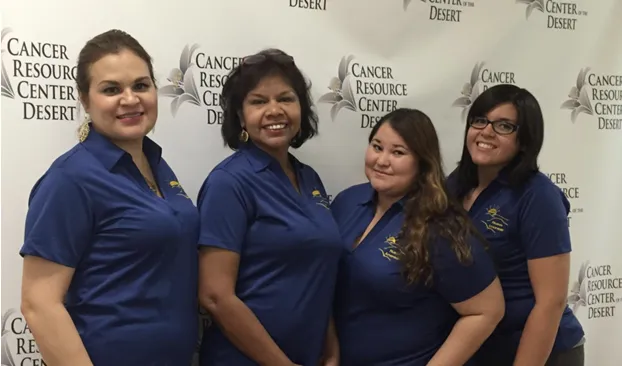
Partnership between the University of California San Francisco, San Francisco, CA; Círculo de Vida Cancer Support and Resource Center, San Francisco, CA; WomenCARE/Entre Nostras, Watsonville, CA; Kaweah Delta Health Care District, Visalia, CA; and Cancer Resource Center of the Desert, El Centro, CA.
Resources shared: