Virtual Office Hours
Making the Case for Palliative Care: Demonstrating Value through Measurement
Presented By
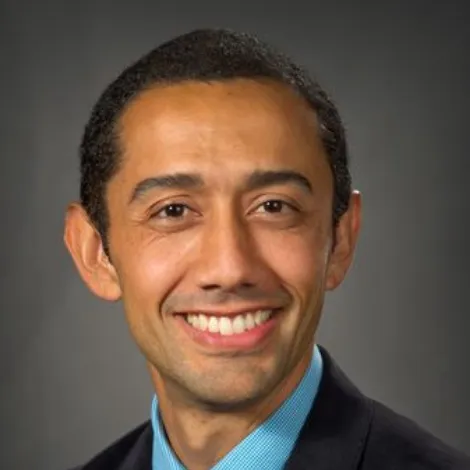
Santiago Lopez, MD, FAAHPM is the Interim Chief of Geriatrics and Palliative medicine for Northwell Health Central Market, Site director for the Geriatrics and Palliative Medicine consult service at North Shore University Hospital and an associate professor of medicine at the Zucker School of Medicine.
Dr. Lopez received his medical degree from Universidad de Caldas in Manizales, Colombia. His residency training in family medicine was completed at Wyckoff Heights Medical Center, before completing fellowships in both geriatrics and palliative medicine at North Shore University Hospital/Zucker School of Medicine and Beth Israel/Mount Sinai School of Medicine in New York City, respectively. He is certified in family medicine, geriatrics, and palliative medicine.
Dr. Lopez served as chief resident in family medicine from July 2011 to June 2012. He was named “Outstanding Resident of the Year” for 2011-2012, awarded the American Geriatrics Society (AGS) Presidential Poster Award in May 2013, and the Nurses Week Center of Excellence Physician of the Year 2018, and nominated for North Shore University Hospital’s President’s Award.
Helping the vulnerable and growing population of patients and families dealing with advanced illness remains his passion. In that pursuit, Dr. Lopez’ research emphasizes education with a special focus on geriatrics, palliative care, symptomatic management, and patients with advanced illness. Additional focuses include measuring the impact of palliative care on key metrics related to health care delivery, and exploring the ways these metrics can be improved through innovation in practice.
Growing up, my father's stories of my grandmother’s struggle to provide healthcare for her 12 children inspired my passion for medicine and biology. Initially drawn to cardiology and intensive care in Colombia, my perspective shifted during rural practice, where I witnessed the impact of social barriers on older adults and the vital role of compassion.
Returning to the ICU, I questioned whether our interventions truly aligned with patients' values and well-being. My journey to the U.S. revealed the transformative power of palliative care, which bridges understanding gaps between patients, families, and medical teams. By prioritizing patient-centered plans and alleviating symptoms, palliative care showed me that true medicine thrives in teamwork, respecting diverse values and beliefs. Embracing the idea that "Whoever saves one life, saves the world entire," palliative care profoundly impacts lives, underscoring the value and dignity of every human being.
One persistent challenge in palliative care is translating the compassionate, humanized work of our multidisciplinary teams into value for healthcare administrators. Demonstrating palliative care's importance, comparable to revenue-generating therapies like transplants or surgeries, is crucial. CAPC and Northwell have been instrumental in this effort, teaching me about key metrics, needs assessments, and pilot projects to compare outcomes—such as cost margins and hospital ratings—between patients with advanced illness who receive palliative care and those who don't.
I've also focused on upstreaming palliative care to enhance outcomes and quality of care. While no single solution exists, I've charted a path beyond work volume to show our care's value. It's about redefining success by highlighting palliative care's profound impact on patient well-being and the healthcare system.
A professional success I am proud of is forging partnerships between palliative care and other specialties. This achievement not only shows the benefits of interdisciplinary palliative care but also enhanced my understanding of unique workflows and perspectives. These collaborations have led to joint research projects, such as integrating palliative care with cardiothoracic surgery and ECMO, the emergency department, and chaplaincy for cancer treatment or bone marrow transplant patients.
Moreover, these partnerships have allowed the development of strategic business plans to support the intersection of palliative care with various specialties. They underscore the importance of interdisciplinary alliances in enhancing patient care and highlight palliative care’s transformative potential across medical domains.
My family is my cornerstone, and spending time with my wife and kids is my top priority. We share a love for travel, hiking, and exploring national parks and botanical gardens. We also enjoy bike riding and growing our own vegetables. Personally, running outdoors is a passion I’ve cherished since childhood. I love feeling the fresh air and sun while observing people and nature around me.
Spirituality is also a fundamental part of my life. Every day, I take time to connect with God, expressing gratitude for the gift of another day and the privilege of being a palliative care doctor, son, sibling, father, husband, and friend. This sense of balance and connection enriches my life and enhances my ability to serve others with compassion and empathy.
I should probably include this in my hobbies—I am a drywall finisher. At a time in my life when practicing medicine was not possible, I ventured into construction and discovered a love for the art of drywall finishing. Beyond the technical skills, this craft taught me patience, attention to detail, and reinforced the importance of teamwork. It also offered the opportunity to meet remarkable people and glean life lessons that I might never have encountered otherwise. This experience enriched my perspective, highlighting that every skill and interaction holds value, and underscoring the beauty of continuous learning and personal growth.