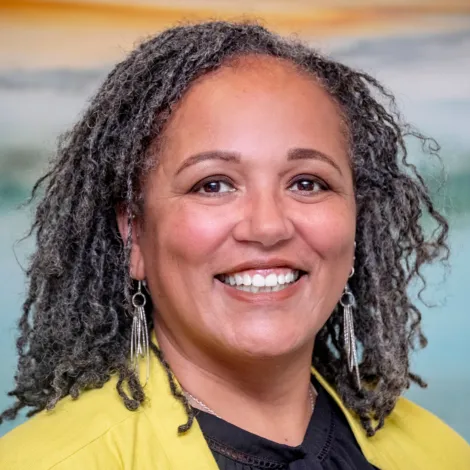
Arika Moore, MSW, LICSW, APHSW-C
Arika Moore is a Licensed Independent Clinical Social Worker, Mental Health Professional, Ethnic Minority Mental Health Specialist and Cambia Sojourn Scholar. She has worked extensively in social services since 1992, including adult mental health, homeless housing services, medical social work including cardiac intensive care, solid organ transplant, grief and bereavement, ethics and pediatric palliative care. Ms. Moore was born into a family that not only valued but actively engaged in social justice. It was here that her deep foundation for engaging in culturally responsive care and challenging systems of oppression was defined and solidified.
Ms. Moore is a Clinical Assistant Professor at the University Of Washington School Of Social Work, a Clinical Ethicist, and the Director of the Bioethics, Palliative Care and Journey Grief Support Programs at Seattle Children’s Hospital. Additionally, Ms. Moore provides consultation and coaching to individuals and programs on engaging in culturally responsive practice across settings.
Ms. Moore has been a nationally and internationally invited lecturer, keynote speaker and panel member on such topics as supporting patients and families at the end of life, personhood in ethics and palliative care, cultural humility, and cultural responsiveness in healthcare, inclusive of ethics, palliative care, mental health and grief and bereavement.
Faculty Spotlight
What inspired you to pursue a career in palliative care?
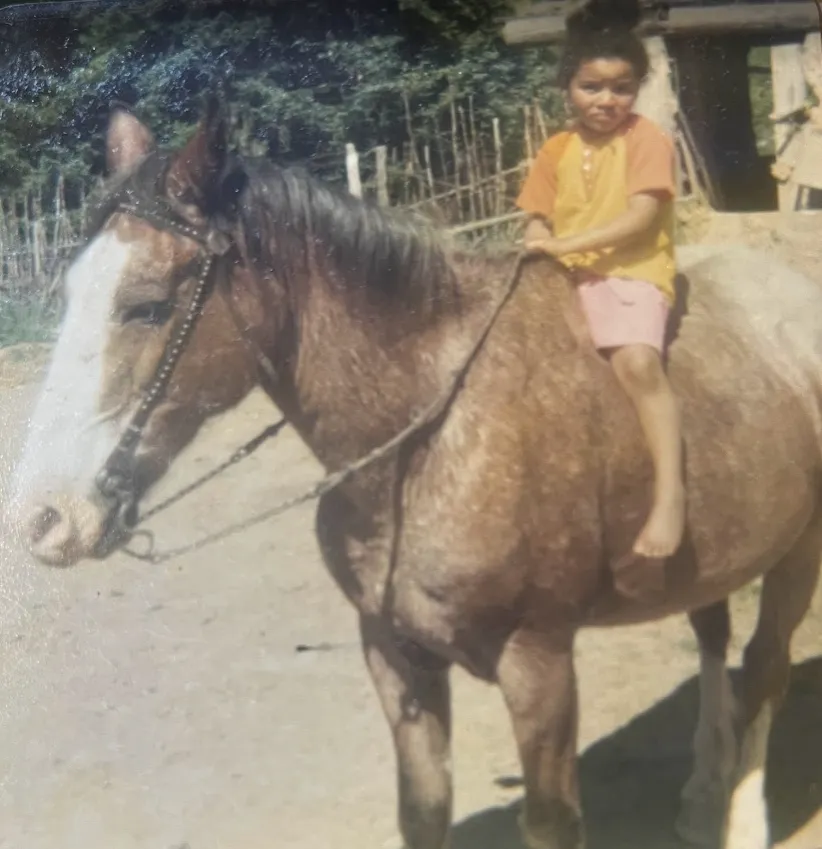
I grew up on a 308-acre farm in rural Oregon. The cycle of life and death was present around me from a young age. My first memory is the burial of my baby brother, who was born at 16 weeks' gestation. He was buried on our farm, and my parents incorporated his spirit into our lives. There was a large rock covering his burial site that I played on and around, and in many ways, he was my and my younger siblings imaginary friend. As I got older, I was involved in a lot of decision making for the animals on the farm, sometimes based on their quality of life, though I didn't realize that was what it was called. Also, as a Black family, we were focused on what I later learned was "quality of life", "goals of care", "making complex medical decisions" not just for our animals but for elders in our family. It was in graduate school that I recognized that this was "palliative care". It was through these experiences that I found not just my career, but my life's work.

Describe a challenging problem you've tackled—or one you're currently working to solve.
A huge challenge that I tackle daily is racism & fighting for health equity, specifically in healthcare. Health equity and anti-oppression principles MUST be infused in all aspects of serious illness care. Health equity is more than treating everyone equally. Health equity should encompass how EVERYONE receives quality care to meet their healthcare needs. From racial concordance in clinicians to understanding that cultural factors and lived experiences personally and among our ancestors may impact how we interact with the "system". In current times "equity" has become a "four letter word" nationally. Collectively we can get wrapped up in the words used, which matter in some ways, and don’t in others. For instance, if people's rights are being stripped in the name of anti-"equity" initiatives and laws, that is a human rights issue and should be called such, if we are talking about access to quality care and all that entails for all.
How do you spend your time outside of work? Any hobbies, interests, or activities you enjoy?
I have 4 sons, the oldest being 33 and the youngest being 14 with twins in the middle of the youngest and oldest so any time with them is special. I grew up in the PNW so am obligated to say how much I love the outdoors, hiking, camping, being in nature as a grounding force, exploring the Oregon Coast. I also have 2 Australian Cattle Dogs, Kam and Miss Roxi Roo who require me to remain active if I don't want my house destroyed by their active energy. I love reading, writing, doing beadwork, and just being.
Share a fun or surprising fact about yourself that others might not know.
My parents met during the 1960's Civil Rights Movement in Venice Beach California. They homesteaded 308 acres in rural Oregon. My dad built the log cabin we lived in, there was no electricity, minimal plumbing so we had an outhouse, no hot running water and no phone. Our house was heated through 3 woodstoves, one being an antique wood-burning cookstove from the late 1800-early 1900's. I'll be able to survive if the grid ever goes out :)